
Đánh giá chi tiết ưu, nhược điểm của chuyên trang Xoilactv
Kênh phát sóng trực tiếp bóng đá Xoilac TV có những ưu, nhược điểm nào, hãy theo dõi bài viết này của chúng tôi để được theo dõi những thông tin nhanh, chính xác nhất.
Ngày 26/04/2024
Xem bóng đá giờ đây đã trở thành hoạt động không thể thiếu trong cuộc sống của mỗi người. Nó không chỉ mang đến những giờ phút giải trí thú vị mà thậm chí còn giúp những fan hâm mộ bóng đá nắm được những thông tin quan trọng về bộ môn mà mình yêu thích. Với mục tiêu đáp ứng nhu cầu theo dõi bóng đá trực tiếp của đông đảo người dân Việt Nam, Xoilactv đã ra đời. Trong bài viết này, hãy cùng chúng tôi khám phá, đánh giá những ưu, nhược điểm mà chuyên trang này sở hữu.
Thống kê những ưu điểm nổi bật của website Xoilactv
Xoilactv hiện là website đứng đầu trong lĩnh vực truyền hình trực tiếp các trận đấu bóng đá ở khắp nơi trên thế giới.

Cung cấp hàng loạt link xem chất lượng
Xoilactv hiện có khả năng cung cấp số lượng đường link phát sóng bóng đá đầy đủ ở tất cả các giải đấu từ cấp cỏ trong nước cho đến hàng đầu khu vực, thế giới. Ngoài bóng đá, bạn còn có cơ hội theo dõi thêm những bộ môn thể thao khác như bóng bàn, tennis, quần vợt,...ngay tại website này. Tất cả những đường link phát sóng trực tiếp đều được hệ thống cập nhật trước giờ bóng lăn ít nhất 1 tiếng.
Mỗi trận đấu sẽ có ít nhất 3 link cho mọi người lựa chọn. Xoilactv cam kết tất cả đều đáp ứng được chất lượng hình ảnh full hd sắc nét và âm thanh sống động. Người sử dụng cũng có thể tuỳ chỉnh kích thước màn hình, tuỳ chỉnh âm thanh và độ phân giải hình ảnh theo sở thích.
Đội ngũ BLV chuyên nghiệp
Website của Xoilactv hiện đã tuyển dụng được đội ngũ bình luận viên chuyên nghiệp. Họ là những người giàu kiến thức về bóng đá, thậm chí còn có thể mang lại những tiếng cười trong suốt quá trình bình luận. Nhờ đó người xem không cảm thấy bị nhàm chán và càng yêu thích việc theo dõi bóng đá trực tiếp tại đây hơn.
Giao diện đẹp mắt
Mặc dù là một kênh phát sóng bóng đá miễn phí nhưng Xoilactv không chèn quá nhiều nội dung quảng cáo khi trận đấu đã diễn ra. Trải nghiệm của người chơi vì vậy sẽ không bị ảnh hưởng.
Giao diện của Xôi Lạc được thiết kế đẹp mắt và có cách bài trí khoa học, giúp người dùng nhanh chóng tìm kiếm được thông tin mà mình đang hướng tới. Ngoài ra, các chuyên mục tin tức, bảng xếp hạng, lịch thi đấu cùng bảng kèo nhà cái sẽ được bố trí ở vị trí thích hợp cho anh em dễ thấy nhất.
Đường truyền ổn định
Xoilactv cam kết sử dụng đường truyền ổn định để quá trình phát sóng bóng đá của mọi người không bị giật, lag. Do đó, bạn sẽ không còn phải lo lắng đang xem giữa chừng thì bị đứng hình, đứt kết nối giữa chừng.

Một vài nhược điểm còn tồn tại trên website Xoilactv
Bên cạnh những ưu điểm kể trên, Xoilac vẫn còn tồn tại một số hạn chế cần được khắc phục:
Không có nhân viên CSKH hỗ trợ người xem
Xoilactv là website cung cấp dịch vụ bóng đá online nên sẽ tập trung nhiều hơn vào việc nâng cấp các tính năng được mình cập nhật. Chính vì vậy, họ hiện nay vẫn chưa có đội ngũ nhân viên chăm sóc khách hàng trực tuyến để hướng dẫn người chơi sử dụng website hoặc giải đáp những khó khăn trong quá trình theo dõi bóng đá.
Tuy nhiên trong thời gian tới, khả năng cao bộ phận này sẽ được phát triển thêm nhằm mang đến trải nghiệm tuyệt vời nhất cho người xem.
Có tình trạng giật lag trong giờ cao điểm khi theo dõi bóng đá Xôi Lạc
Nhận được sự yêu mến của người hâm mộ bóng đá cũng là lý do khiến những khung giờ cao điểm, website thường ghi nhận lượng truy cập nhiều hơn bất thường. Điều này dẫn đến tình trạng link truy cập bị quá tải, bị thoát giữa chừng.
Tuy nhiên anh em cũng không cần quá lo lắng vì Xoilactv sẽ nhanh chóng cung cấp các đường link dự phòng. Ngoài ra, bạn cũng nên lựa chọn truy cập trang vào những khung giờ phù hợp để không gặp phải tình trạng kể trên.
Hướng dẫn cách truy cập Xoilactv xem bóng đá trực tuyến
Để theo dõi bóng đá đỉnh cao tại website của Xôi Lạc, mọi người chỉ cần chuẩn bị một thiết bị có kết nối internet đủ mạnh và làm theo ngay những bước cụ thể như sau:
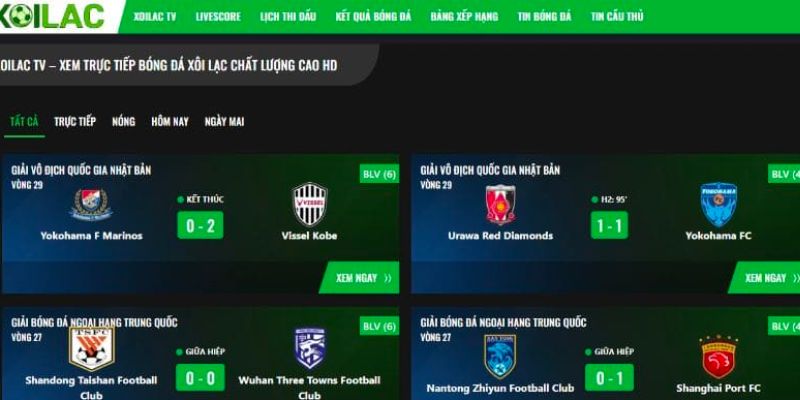
- Bước 1: Người dùng tìm kiếm đường link của Xoilactv thông qua các trình duyệt như Cốc Cốc, Google, Chrome…
- Bước 2: Mọi người hãy click vào trang chủ chính thức của Xoilac và bắt đầu tìm kiếm giải đấu mà mình yêu thích. Hãy sử dụng tính năng theo dõi Lịch bóng để để biết được những trận đấu sắp được phát sóng trực tuyến.
- Bước 3: Sau khi đã tìm thấy trận đấu mà mình yêu thích, bạn chỉ cần nhấn Xem ngay để lấy link vào.
- Bước 4: Vào phòng live và bắt đầu theo dõi bóng đá cùng vô số fan hâm mộ trên cả nước.
Giải đáp một vài băn khoăn của người chơi về Xoilactv
Để mọi người hiểu rõ hơn về cách thức vận hành của Xoilac, chúng tôi sẽ tổng hợp những thắc mắc phổ biến của người chơi và giải đáp chi tiết.
Làm gì để xem bóng đá không bị giật lag tại Xoilactv?
Để trận đấu bóng đá được diễn ra thông suốt, người dùng cần chuẩn bị sẵn sàng một thiết bị kết nối với mạng internet đủ mạnh. Trước giờ bóng lăn khoảng 1 tiếng, trên hệ thống sẽ có link xem cho mọi người lựa chọn. Ít nhất sẽ có 3 đường link được cung cấp nên nếu gặp tình trạng giật lag, bạn có thể chuyển sang kênh khác hoặc nhấn dừng tạm thời và bật lại là được.
Làm gì để không bỏ lỡ các trận đấu được phát sóng tại Xoilac?
Để không bỏ lỡ bất cứ trận đấu hấp dẫn nào tại Xoilactv, mọi người chỉ cần truy cập và theo dõi Lịch thi đấu được cung cấp trên kênh. Nếu chẳng may bỏ lỡ, bạn cũng có thể xem lại bằng tính năng phát lại có trên hệ thống hoặc các video highlight tóm tắt trận đấu.
Làm sao để làm quen với website Xoilactv?
Kênh Xoilactv được đánh giá có giao diện khoa học và thuận tiện cho người dùng. Vì vậy dù mọi người không thành thạo về công nghệ vẫn có thể nhanh chóng làm quen với các tính năng được cung cấp trên chuyên trang một cách thuận tiện, dễ dàng.

Làm gì để trải nghiệm bóng đá tại Xoilactv luôn tốt?
Nếu bạn muốn có những giây phút giải trí thư giãn cùng các trận đấu bóng trực tiếp tại Xoilac thì cách tốt nhất là bạn nên chọn thiết bị có màn hình rộng. Bên cạnh đó, mọi người cũng nên xoay ngang màn hình để phóng to hình ảnh của trận bóng. Ngoài ra, hãy chú ý tới độ phân giải của video và âm thanh để điều chỉnh sao cho phù hợp nhất với sở thích cá nhân.
Link vào Xoilactv bị khoá phải làm như thế nào?
Nếu phát hiện link Xoilactv bị khoá và không thể truy cập, anh em hãy chuyển sang những đường link dự phòng khác. Tuy nhiên, bạn phải chắc chắn địa chỉ mình sử dụng thay thế là của chính chủ để không bị lừa đảo.
Dự đoán kết quả bóng đá chính xác hơn tại Xoilac như thế nào?
Để đưa ra được những dự đoán chính xác nhất cho trận đấu, mọi người hãy dành thời gian để cập nhật thật nhiều tin tức được đăng tải trên website. Bên cạnh đó, thông tin về bảng xếp hạng được Xoilactv làm mới liên tục cũng sẽ là một dữ liệu quan trọng cho anh em tham khảo.
Quá đó, bạn sẽ nhanh chóng biết được đội bóng nào chiếm ưu thế hơn trong lần so tài này. Ngoài ra, Xoilac cũng sẽ cung cấp thêm những nhận định từ đội ngũ chuyên gia giàu kinh nghiệm. Đây chính là những thông tin quý báu để những người chơi cá cược bóng đá đưa ra được quyết định ăn tiền.
Kết luận
Tóm lại, những thông tin về ưu, nhược điểm của Xoilactv đã được làm rõ qua bài viết trên. Có thể thấy rằng, tuy còn một vài hạn chế nhất định nhưng website vẫn hoàn thành xuất sắc nhiệm vụ mang đến những trận đấu đỉnh cao nhất cho người hâm mộ. Hãy nhanh tay truy cập website để nhanh chóng được sử dụng toàn bộ tính năng được Xoilac cung cấp ngay hôm nay.